04 · Weight Loss & Metabolic Health
Beyond calories in, calories out.
Sustainable weight management that addresses insulin resistance, gut health, thyroid function and oxidative stress.
Reviewed by Ismelis Gata, MSN, APRN, AGNP-C
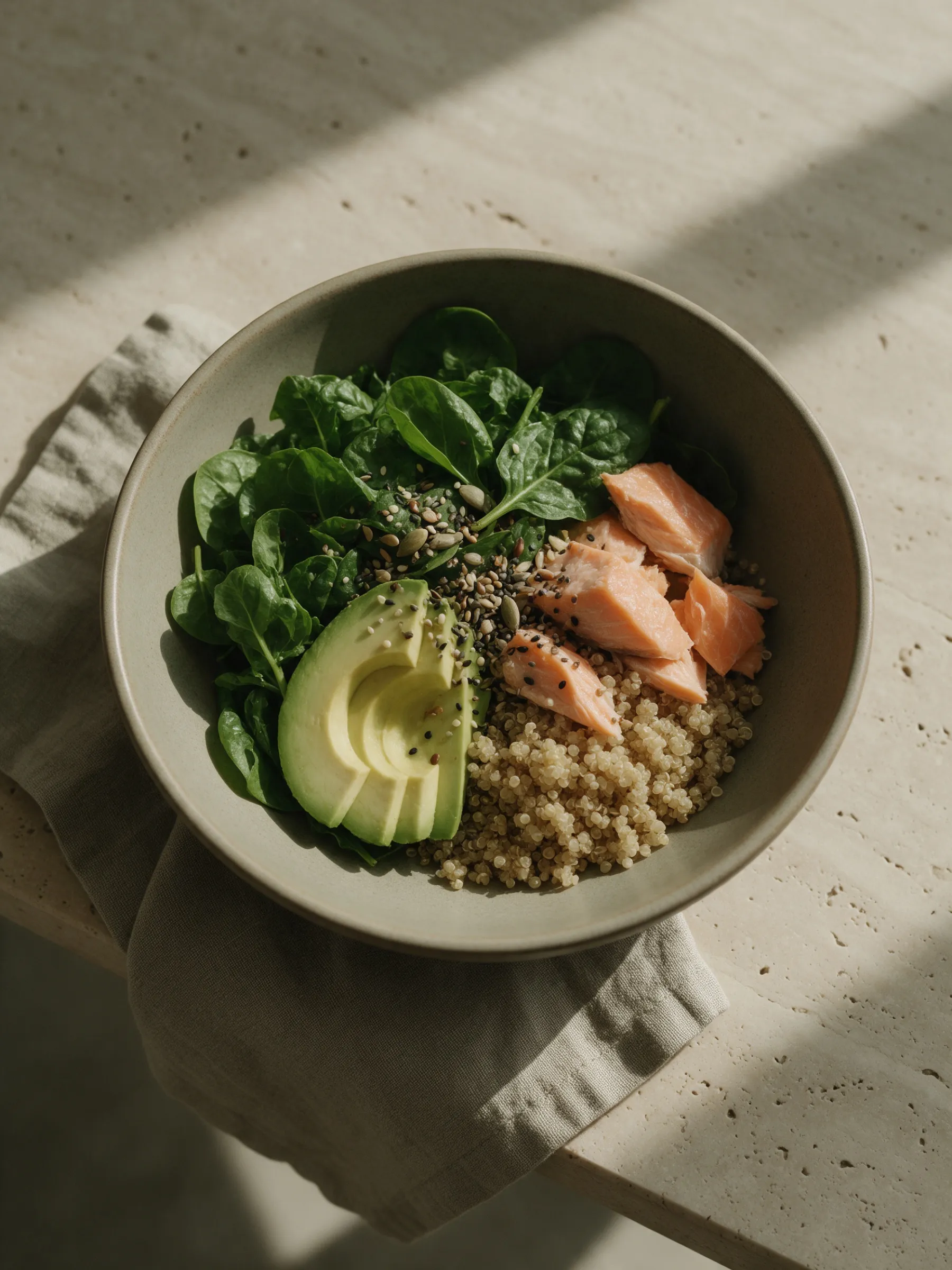
The approach
If you have done everything right and the scale still will not move, the problem is rarely willpower. Insulin resistance, thyroid function, sleep, stress hormones, gut health and inflammation decide how your body stores and burns energy.
We start by measuring those drivers, then build a plan around them: nutrition you can sustain, movement, sleep and, when appropriate, medication. The goal is a healthier metabolism, so the results last after the plan ends.
What we look at
The whole picture.
- 01
Insulin resistance
Fasting insulin, glucose and HbA1c to catch it early, before it becomes prediabetes or diabetes.
- 02
Thyroid function
A full panel to rule out a slow thyroid holding your metabolism back.
- 03
Gut and inflammation
Digestion, the microbiome and inflammatory markers that affect appetite and weight.
- 04
Hormones and stress
Cortisol, sex hormones and sleep, which shape cravings and fat storage.
- 05
Medication when it fits
Prescription weight-loss medication may be considered when it is safe and appropriate for you.
Why patients come
Does this sound familiar?
If you recognize yourself in any of these, a first consultation is the best place to start.
- Weight that will not budge
- Sugar cravings
- Energy crashes after meals
- Prediabetes
- PCOS
- Belly fat
FAQ · Weight Loss & Metabolic Health
Questions, answered
01What is insulin resistance?
It is when your cells respond poorly to insulin, so the body produces more to keep blood sugar normal. High insulin makes it easier to store fat and harder to lose it, and over time it can lead to prediabetes and type 2 diabetes. It is often reversible.
02What are the symptoms of insulin resistance in women?
Common signs include weight gain around the waist, sugar cravings, tiredness after meals, irregular cycles or PCOS, dark velvety skin patches on the neck or underarms, and skin tags. Lab tests confirm it.
03How is insulin resistance treated?
Treatment combines nutrition that steadies blood sugar, strength training and daily movement, better sleep, stress management and, when needed, medication or supplements. We measure insulin and glucose again to confirm it is improving.
04Do you prescribe weight-loss medication?
When it is safe and appropriate, prescription medication can be part of the plan. We decide together after reviewing your history and labs, and we pair it with the nutrition and lifestyle work that keeps results in place.
05Is insulin resistance the same as diabetes?
No. Insulin resistance often comes years before diabetes. Blood sugar can still be normal while insulin is already high, which is why we test fasting insulin and not only glucose.
06Can a thyroid problem make it hard to lose weight?
Yes. An underactive thyroid slows metabolism and can cause weight gain, fatigue and feeling cold. We check a full thyroid panel as part of every metabolic evaluation.
07Do I have to follow a strict diet?
No. Plans are built around foods you enjoy, your culture and your schedule. Sustainable change beats a short, strict diet that ends in rebound weight.
Continue exploring