05 · Gut Health
Wellness begins in the gut.
A whole-body approach to digestion that rebalances the gut and microbiome with personalized supplements, diet and lifestyle.
Reviewed by Ismelis Gata, MSN, APRN, AGNP-C
The approach
Your gut digests food, absorbs nutrients, trains the immune system and talks to your brain and hormones. When it is out of balance, the signs go beyond bloating: fatigue, skin problems, mood changes and food reactions can all start there.
We look for the reason behind your symptoms, from diet and stress to infections, low stomach acid, bacterial overgrowth or medication effects. Then we restore balance step by step with nutrition, targeted supplements and lifestyle changes.
What we look at
The whole picture.
- 01
Bloating, gas and reflux
The everyday symptoms that often have a findable cause.
- 02
IBS and irregularity
Constipation, diarrhea or both, and the triggers behind them.
- 03
Suspected SIBO
Testing when symptoms point to bacterial overgrowth, and a structured treatment plan.
- 04
The microbiome
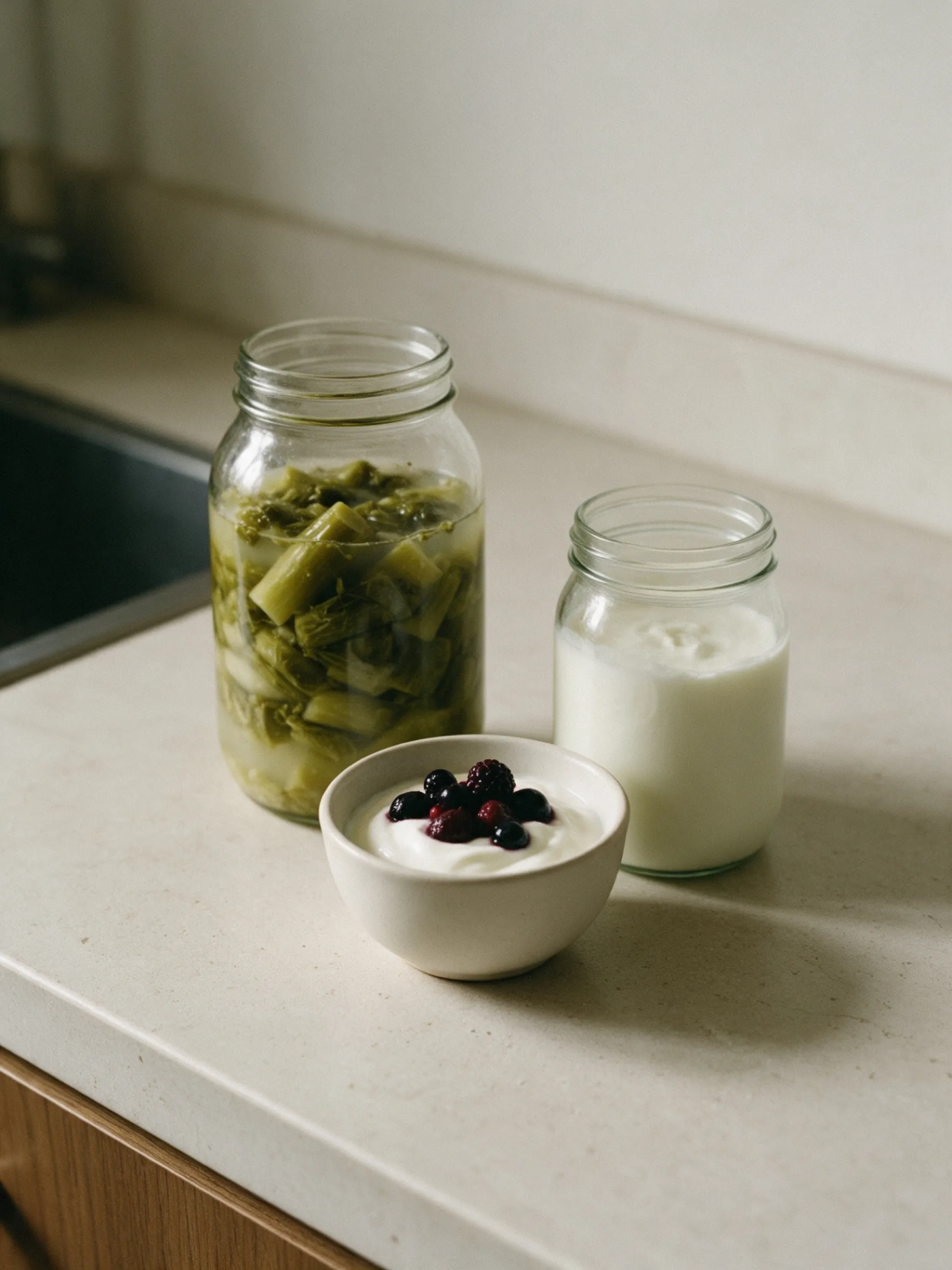
Diet, fiber and fermented foods that rebuild a diverse gut ecosystem.
- 05
Gut, skin and mood
The links between digestion, inflammation, skin and how you feel.
Why patients come
Does this sound familiar?
If you recognize yourself in any of these, a first consultation is the best place to start.
- Bloating
- Reflux
- Constipation
- Food sensitivities
- Skin flare-ups
- Low energy after meals
FAQ · Gut Health
Questions, answered
01What are the signs of poor gut health?
Frequent bloating, gas, reflux, constipation or diarrhea are the obvious ones. Less obvious signs include fatigue, brain fog, skin flare-ups, frequent infections and new food sensitivities.
02What is SIBO?
SIBO stands for small intestinal bacterial overgrowth: bacteria that normally live in the large intestine grow in the small intestine, causing bloating, gas, pain and changes in bowel habits. It is usually diagnosed with a breath test.
03How is SIBO treated?
Treatment depends on the type and on what allowed it to develop. It can include antibiotics or herbal antimicrobials, a temporary diet change, and work on the underlying cause, such as slow motility or low stomach acid, to reduce the chance it returns.
04Can SIBO be treated without antibiotics?
In some cases, herbal antimicrobials and diet changes are an option. We discuss the evidence for each approach and choose with you based on your symptoms, test results and history.
05Which supplements help gut health?
It depends on the problem. Probiotics, digestive enzymes, fiber, L-glutamine or omega-3s can each help in the right case and do nothing in the wrong one. We recommend specific products, available through our Fullscript dispensary, only when they fit your plan.
06How does gut health affect mental health?
The gut and brain communicate constantly through nerves, hormones and immune signals, and gut bacteria help produce compounds that influence mood. Improving digestion often helps energy, focus and mood too.
07Which foods improve gut health?
A wide variety of plants, enough fiber, fermented foods such as yogurt, kefir or sauerkraut, and fewer ultra-processed foods support a healthy microbiome. If certain foods trigger symptoms, we adjust the plan to you.
Continue exploring